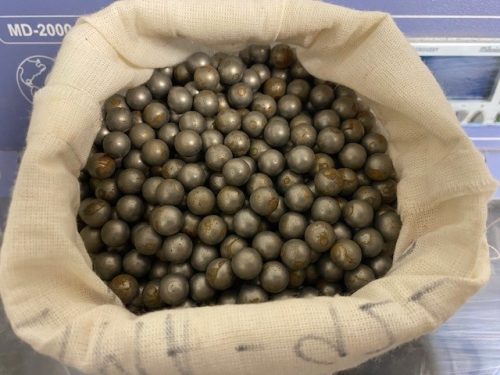
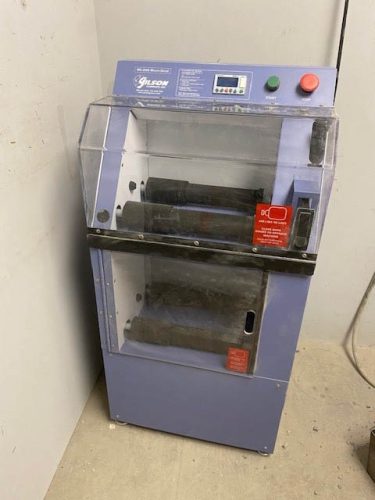
ATL provides Micro-Deval Abrasion Testing that measures the resistance to degradation of coarse aggregate (ASTM D6928) and fine aggregate (ASTM D7428). This test differs from traditional degradation tests by incorporating water into the process. Many aggregates can be more susceptible to abrasion when wet rather than when dry, therefore testing under wet conditions better simulates real-world pavement conditions and environments. These tests are useful for detecting changes in the properties of aggregate produced from a source as part of a quality control or quality assurance process, and to monitor the source over time.
U.S. state departments of transportation (DOTs) are beginning to require or use Micro-Deval testing, including those of Virginia, Maryland, Louisiana, Texas, and Alaska. Other states like Idaho, Montana, and Michigan have conducted extensive research into replacing or supplementing traditional tests (such as the Los Angeles Abrasion test) with Micro-Deval Abrasion due to its higher precision in predicting aggregate performance. Micro-Deval Abrasion is generally considered the most conservative test and often identifies poor-quality aggregate that other tests might overlook.
The fine aggregate test method is suitable for measuring the amount of weak, soft material in fine aggregate, such as shale or shaley carbonate. This method also has a significant correlation with the magnesium sulfate soundness loss of fine aggregate. According to the standard method, the Micro-Deval Abrasion test on fine aggregate has greater precision than the sulfate soundness test, is quicker, and may be used in place of the sulfate soundness test. There is also a relationship between the drying shrinkage of cement mortar and the Micro-Deval Abrasion loss of fine aggregate, with higher loss materials resulting in greater drying shrinkage.
If you have a project that involves aggregate testing, ATL provides experienced laboratory professionals who can offer consultation, sampling, and testing services. For more information, contact Olivia Bartik at 518-383-9144, info@atlantictesting.com, or visit www.AtlanticTesting.com.