Click the following link to view the PDF of this paper: Radiological Considerations in Environmental Site Investigations

Mark Legeza
Senior Project Manager
Atlantic Testing Laboratories
Radiological hazards—whether from naturally occurring radioactive materials (NORM), technologically enhanced naturally occurring radioactive materials (TENORM), legacy uses of radioactive sources, or decommissioning of former industrial and military sites—are increasingly recognized as significant components of environmental investigations. Elevated gamma fields, alpha- or beta-emitting radionuclides, and contaminated soils or building materials impose unique technical and regulatory requirements that differ from those associated with conventional contaminants.
For professionals conducting Phase I/II site assessments or remedial investigations, understanding the nature of radiological risk is essential. This discussion summarizes key radiological issues encountered during environmental work, outlines standard investigative approaches, and highlights decision points common across regulatory frameworks.
Naturally Occurring and Technologically Enhanced Materials
NORM and TENORM may concentrate in by-products from industries such as mineral extraction, water treatment, oil and gas production, phosphate processing, paper manufacturing, and steel production (e.g., slag). These materials can become legacy concerns when waste streams or contaminated media are left in place, disturbed, or redeveloped.
Even at facilities without a radioactive materials license, building materials and soils may contain residual radionuclides (e.g., uranium, thorium, and radium decay series). Concrete, slag fill, scale deposits, and sediments can contain elevated levels of radiological constituents, warranting further isotopic characterization.
Legacy Licensed Uses
Industrial and military facilities previously authorized to use radionuclide sources, irradiators, or processing equipment may leave behind activated components, shielding, or contaminated soils requiring radiological screening. The analytical and survey protocols for these materials differ from those used for chemical contaminants and must align with applicable guidance such as 10 CFR 20, 10 CFR 40, or 10 CFR 61.
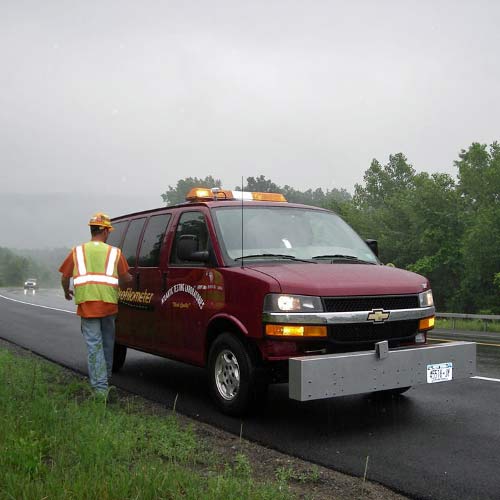
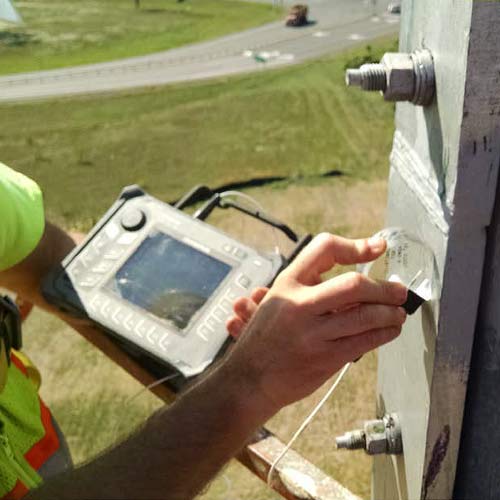
An initial step typically involves a gamma count-rate survey using portable Sodium Iodide (NaI) or High Purity Germanium (HPGe) detectors to establish ambient background levels. These surveys help delineate anomalous areas and guide targeted sampling in zones exhibiting elevated readings.
Media Sampling and Laboratory Analysis
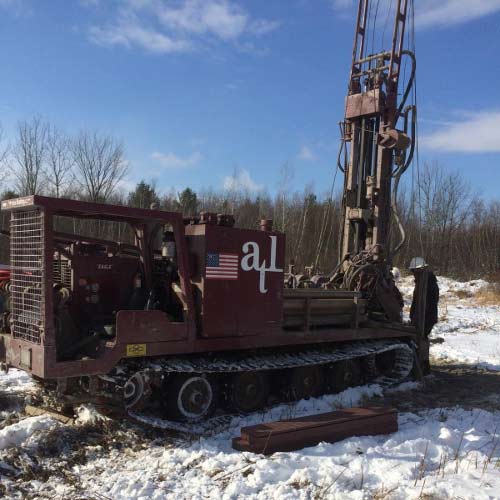
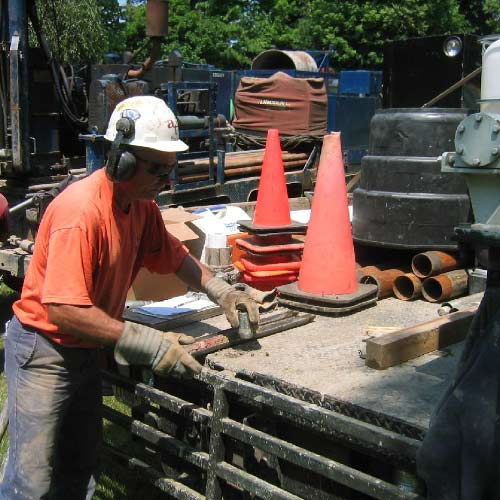
While field screening provides a non-intrusive assessment, isotopic-specific sampling is often required for definitive characterization. Discrete media—soil, sediment, building material, or water—are collected under controlled conditions and analyzed by accredited laboratories. Common radionuclides of concern include Ra-226/228, Th-230/232, Pb-210, and the U-238/235 decay series, with activation products analyzed as needed.
Integration with Chemical and Physical Hazard Assessments
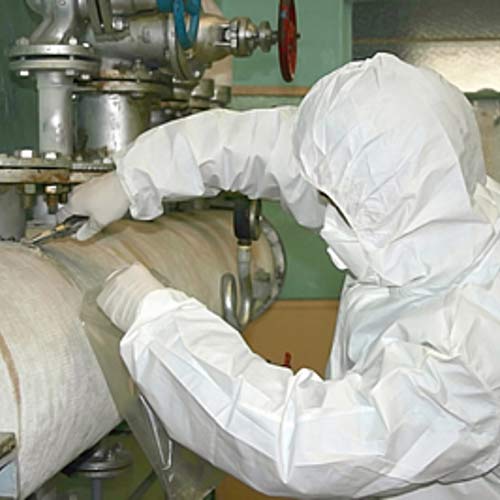
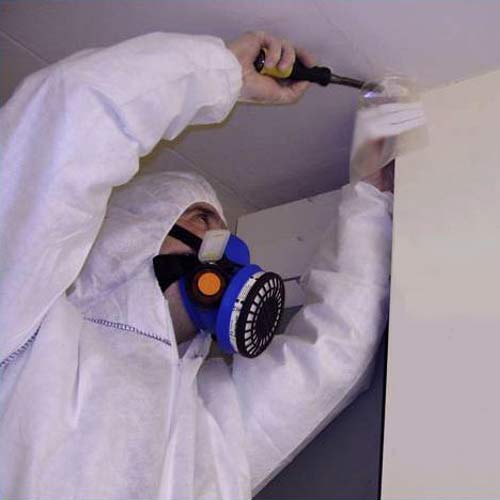
Radiological hazards often coincide with chemical or physical hazards such as asbestos, lead, and hydrocarbons. Integrating radiological screening into existing sampling programs avoids redundant mobilizations and ensures comprehensive risk evaluation. For example, a building slated for renovation may contain radionuclide-bearing materials along with lead-based paint or asbestos; a unified sampling strategy optimizes both logistics and cost.
If a project may involve TENORM or other potentially radioactive materials, Atlantic Testing Laboratories (ATL) provides experienced environmental professionals located across New York State who can offer consultation, sampling, and analytical services to characterize radiological conditions and ensure compliance with applicable regulations.
For more information, contact Mark Legeza at 315-386-4578, info@atlantictesting.com, or visit www.AtlanticTesting.com.
|
ASSOCIATED SERVICES |
 |